Mastering the Basics: Essential Concrete Tips from Kerley's Pros Mar 11, 2026
Understanding the Importance of Quality Materials
Before you even think about mixing and pouring, ensuring you have high-quality materials is vital. The foundation of any successful concrete project begins with choosing the right mix. A standard mix generally comprises cement, water, sand, and aggregate. It's imperative to procure materials from a reputable supplier to guarantee durability and long-term performance. High-quality cement mixed with clean, graded aggregates will prevent issues like cracking and ensure the structural integrity of your concrete surface.
Perfecting the Mixing Ratio
Achieving the correct mixing ratio is the cornerstone of concrete work. A common pitfall is adding too much or too little water, which can weaken the mix. Kerley's Concrete advises using precise measurements to maintain a balanced ratio—too much water can lead to porous, weak concrete, while too little can make it difficult to work with. Remember the old adage: "Measure twice, pour once."
Preparing the Site Thoroughly
Preparation is a step that cannot be overstated. Clear the area of debris, vegetation, and any obstructions. You'll need to determine the right thickness of your slab based on the project's purpose—driveways, for instance, typically require a thicker, more robust slab than a simple backyard patio. Use a compacting tool to compress the soil underneath, as loose earth can lead to uneven, sunken slabs over time. Laying a sheet of plastic over the soil before pouring can also help prevent moisture interference.
Utilizing Reinforcements
For projects anticipated to bear significant weight, integrating reinforcement like rebar or wire mesh is essential. These materials assist in maintaining the structural integrity and reduce the risk of cracks. Position the reinforcements carefully to ensure full support before you begin pouring your concrete.
Mastering the Pouring Technique
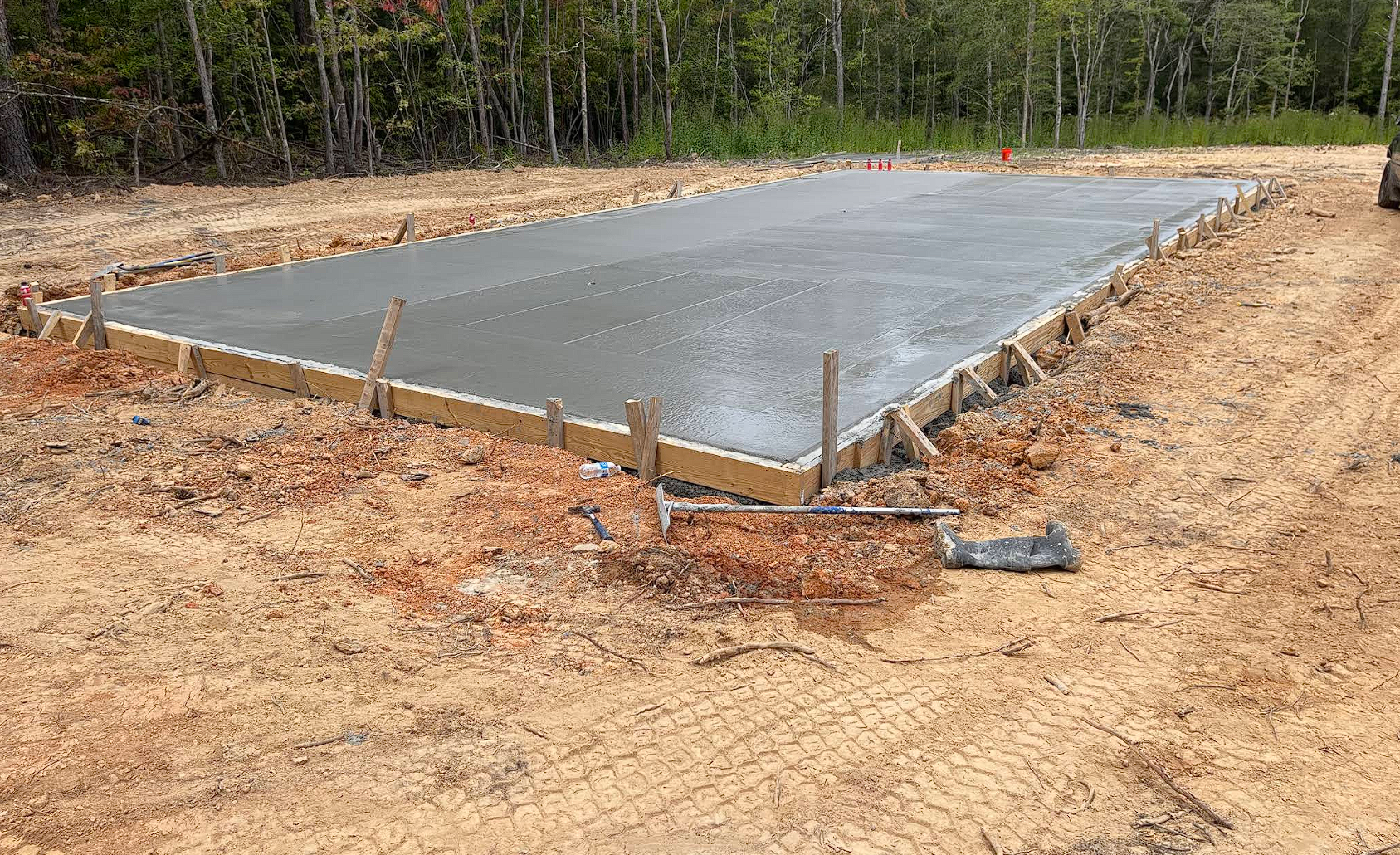
When it comes to pouring, work systematically and steadily. Begin at the farthest point from the delivery source, moving backward towards it. This technique minimizes footprints and ensures an even spread of concrete. Using screeds and bull floats helps smooth the surface while removing air bubbles and excess water—an essential step for avoiding future surface imperfections.
Finishing with Care
After pouring, the curing process is critical. Proper curing involves maintaining ideal moisture and temperature conditions to promote structural strength. Keep the surface moist by covering it with plastic sheets or wet burlap, allowing it to cure slowly. This typically lasts around 7 days for most projects, but consult specific product guidelines from your materials supplier for accuracy.
Final Thoughts from Kerley's Concrete
Choosing Kerley's Concrete means entrusting your project to seasoned professionals who understand the intricacies of concrete work. Whether you’re a DIY enthusiast or hiring experts, these foundational tips will set you on the right course. For those local to our community, Kerley's offers consultations to further guide you through your concrete endeavors, ensuring quality and satisfaction with every pour. Visit us for more detailed advice specific to your project needs; we’re here to help you lay the groundwork right.
/filters:no_upscale()/filters:format(webp)/media/3b34fc48-0f74-4813-9478-34e9b6c6015e.png)